The Term 2 Slump: Why Students Lose Motivation
By June each year, I start hearing the same comments from students:

“I’m just tired.”
“I can’t focus anymore.”
“I don’t even know where to start.”
“I was doing well earlier in the year…”
Term 2 is often the hardest term for students emotionally and academically — even for capable, motivated students.
At the start of the year, students usually feel fresh. There is structure, routine and optimism. New stationery helps too! But by the middle of the year, reality starts to set in. Assessments pile up. Sport commitments increase. Students become exhausted from balancing school, homework, social lives and extracurricular activities.
For Year 12 students especially, the pressure begins to feel very real.
One of the biggest misconceptions about motivation is that students simply “choose” to work hard or not work hard. In reality, motivation is often connected to confidence. When students begin falling behind, forgetting content or feeling overwhelmed, they naturally start avoiding work because it makes them anxious.
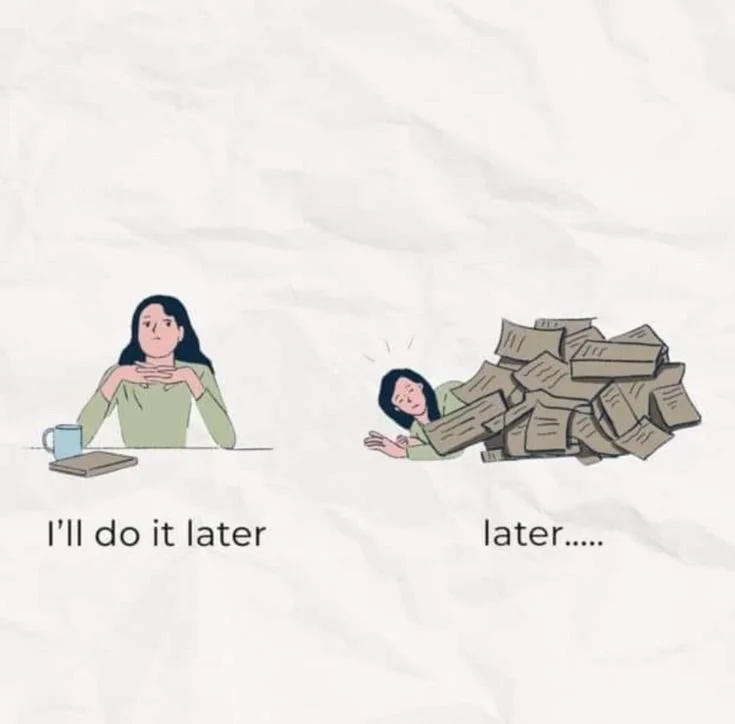
This creates a cycle:
Student feels overwhelmed
They procrastinate
Work piles up further
Confidence drops
Motivation drops even more
I see this constantly in English. Students reread notes passively, highlight pages, or stare at essays without actually practising the skill of writing. Then, when assessments arrive, they panic because they realise they have not built confidence through active practice.
The good news is that students do not need to suddenly become “perfect” students to recover from the Term 2 slump.

Usually, the students who improve the most are not the ones studying for five hours a night. They are the students who return to small, manageable habits consistently:
completing one short practice response
revising quotes for ten minutes
planning paragraphs instead of avoiding them
asking questions when confused
practising regularly rather than cramming
Confidence grows through repetition, not pressure
As teachers and parents, it is important that we recognise that many students are genuinely trying — even when it may not always look that way. Often, they simply do not know how to regain control once they feel behind.

Sometimes the best thing a student can do in June is not to aim for perfection, but simply to restart.
Small steps taken consistently are often what rebuild both confidence and motivation.